Spanning tech campuses in Silicon Valley, bustling corporate towers in downtown San Francisco, academic laboratories in Berkeley, and vibrant biotech corridors down the peninsula, Northern California’s economic engine relies heavily on continuous operational safety. From software developers working in modern multi-story facilities to fitness instructors leading bootcamps in Golden Gate Park and research scientists managing laboratory safety protocols, emergency preparedness touches almost every professional sector. Balancing demanding work schedules with regulatory compliance means local workers and organizations frequently look for standardized, dependable safety certifications.
Enrolling in American Red Cross CPR and First Aid certification classes in SF Bay Area (cprcpr.com), CA equips regional workers, educators, and healthcare staff with official, nationally recognized life-support skills. This resource outlines what these courses cover, how they differ, who typically completes them, and how local learners can find an appropriate training option.
Quick Answer / Key Takeaway
Professionals and residents across Northern California can register for American Red Cross training programs that fulfill employment mandates, academic prerequisites, or volunteer requirements. Curricula range from standard adult life support to multi-hazard certifications combining automated external defibrillator operation with comprehensive trauma response.
What Are American Red Cross CPR and First Aid Classes?
Emergency response training follows structured, evidence-based guidelines designed to prepare bystanders and designated personnel to act efficiently during critical incidents.
- Cardiopulmonary Resuscitation (CPR): This instruction teaches participants how to restore blood circulation and artificial ventilation when an individual experiences sudden cardiac arrest. Lessons cover proper compression rate, depth, and rescue breathing mechanics.
- First Aid Education: This component addresses non-cardiac medical emergencies, such as severe bleeding control, bone fractures, thermal burns, sudden allergic reactions, and environmental illnesses.
- Automated External Defibrillator (AED) Integration: AEDs are portable electronic devices that analyze heart rhythms and prompt users when a shock is advised. Training demonstrates correct pad placement and device operation alongside standard chest compressions.
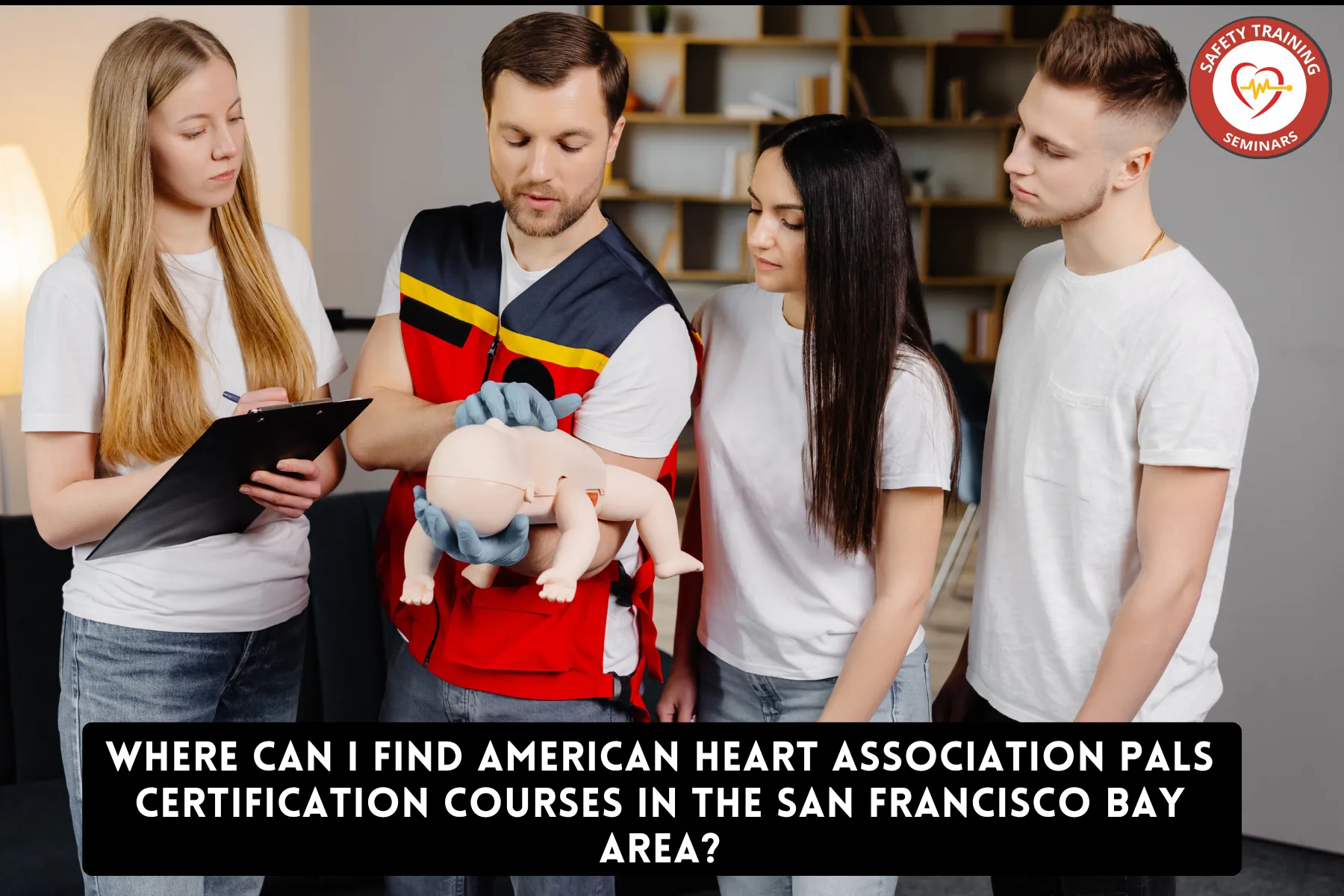
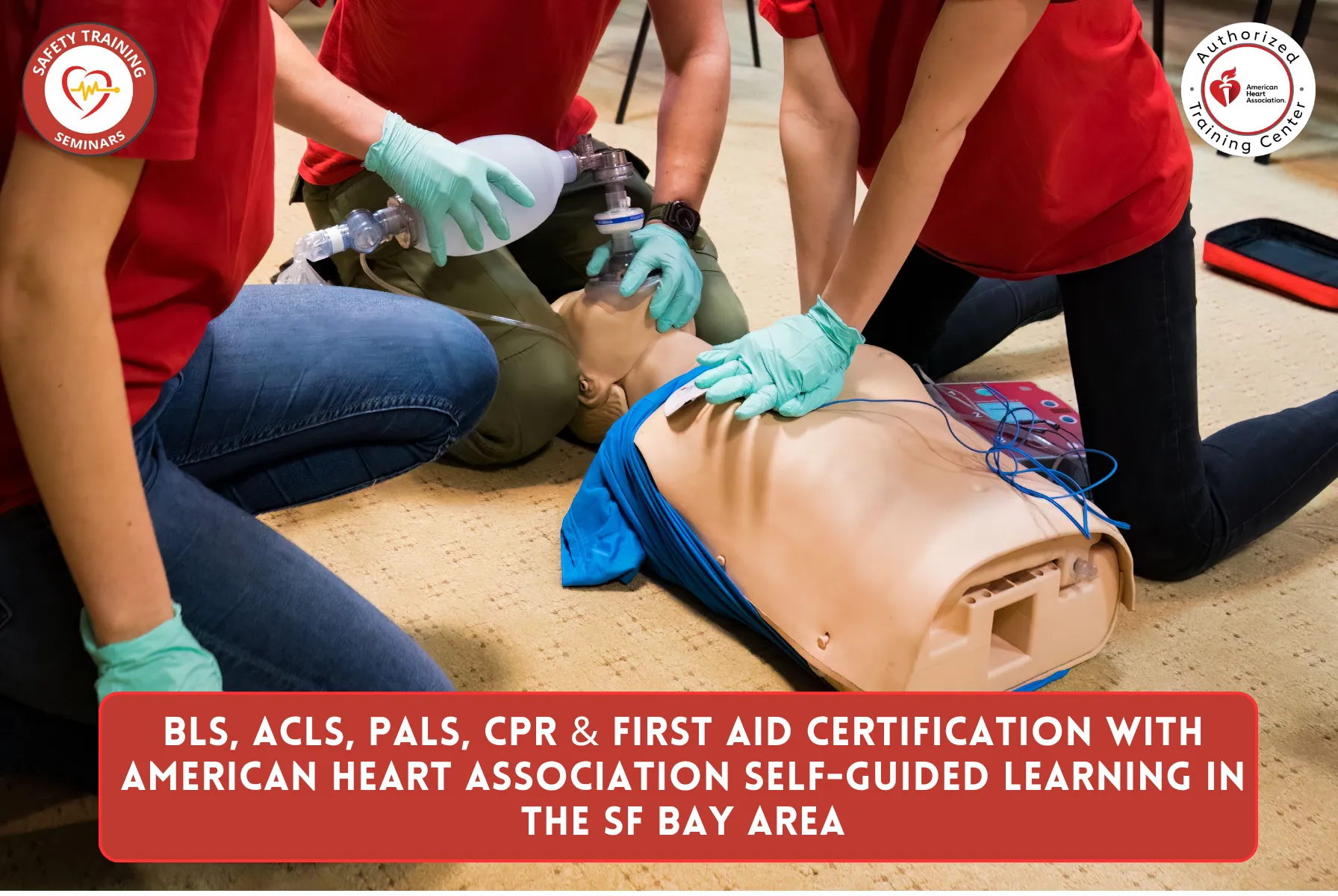
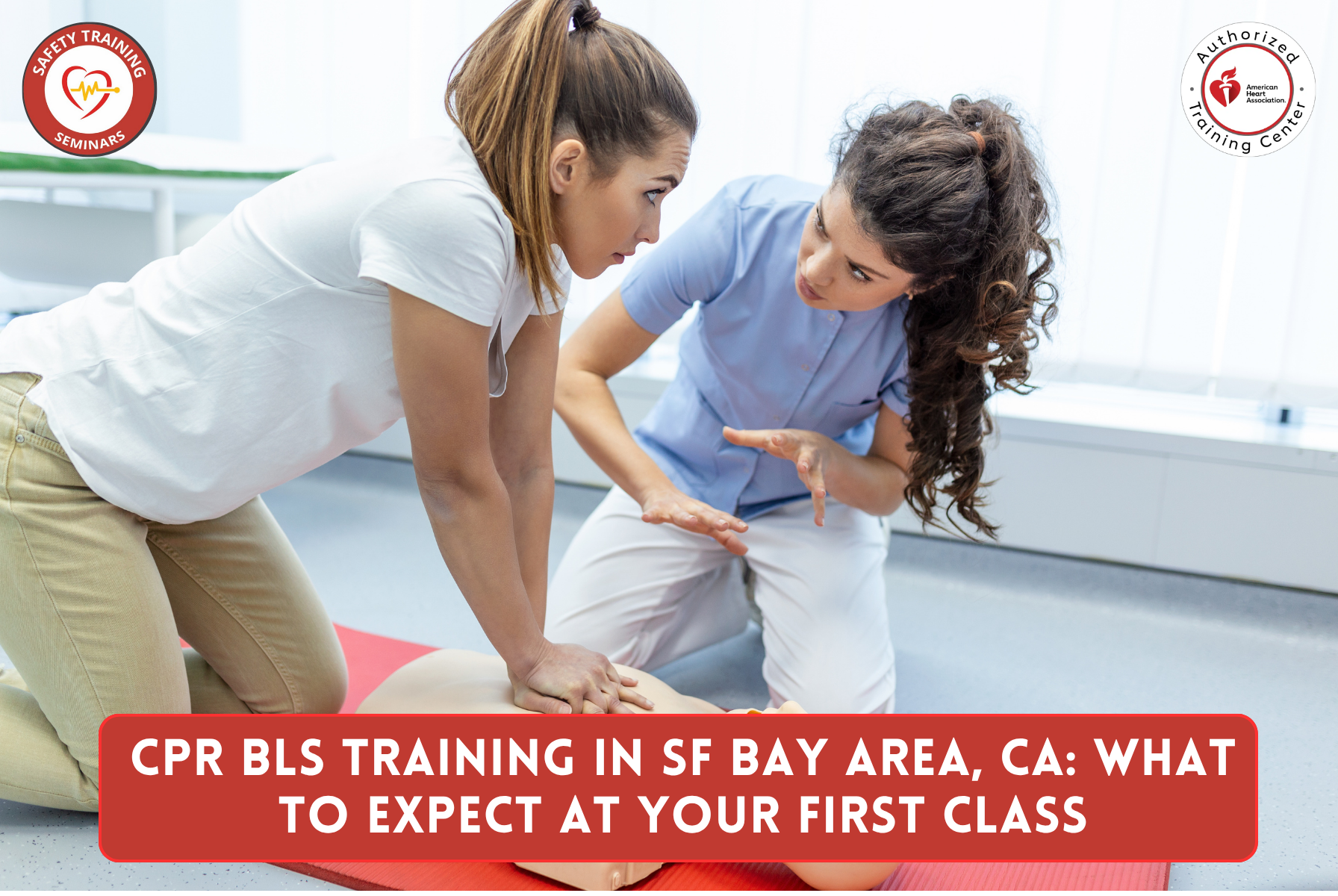
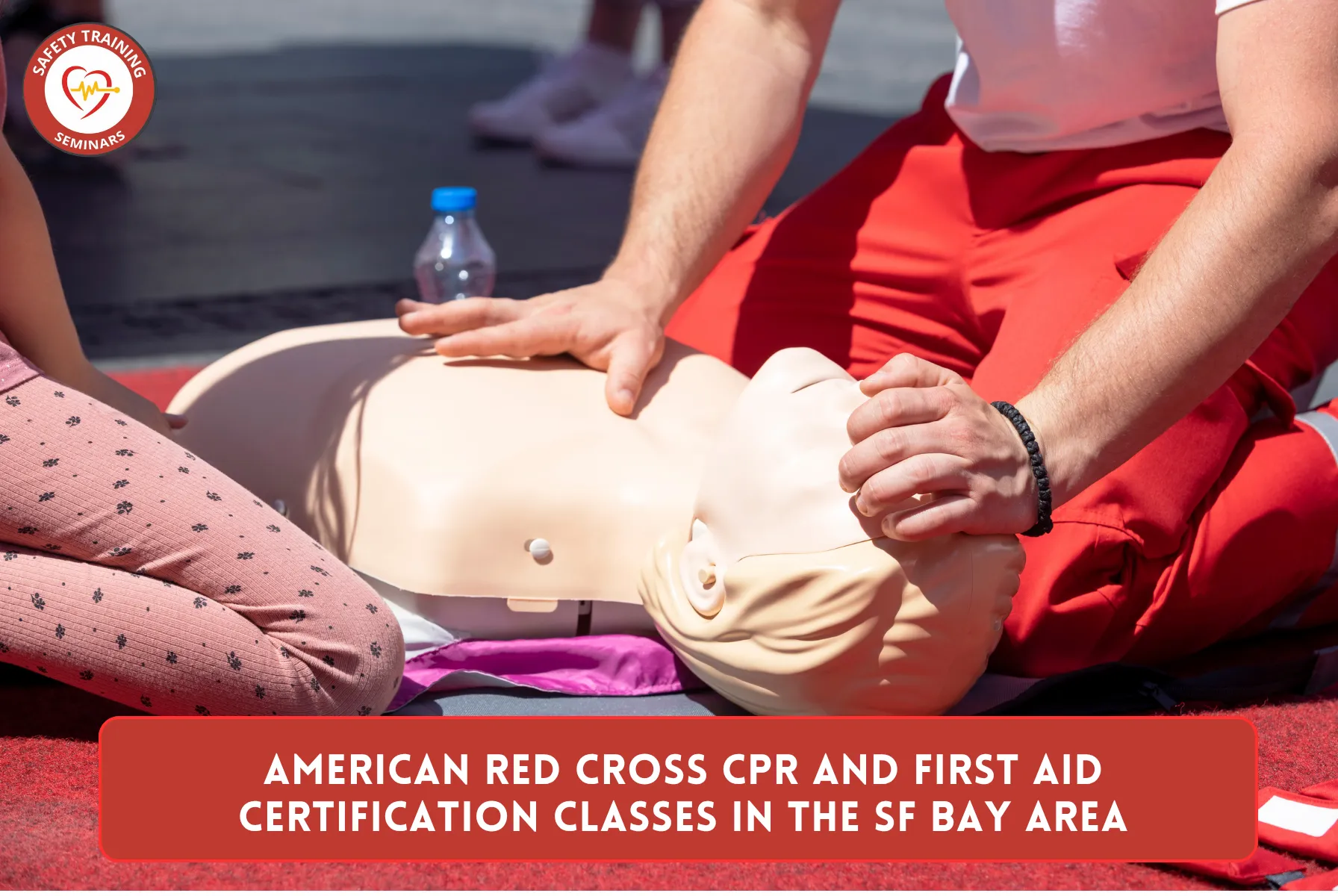
Although CPR and First Aid address different medical events, they are frequently taught together because many real-world emergencies involve concurrent complications. Learners should review their specific institutional or workplace guidelines to determine whether a combined program is required. Hands-on practice sessions utilizing training mannequins allow participants to build physical confidence and proper technique.
CPR Training in the Bay Area
Workplace policies and professional duties dictate which specific level of CPR instruction is necessary. Local participants can choose pathways focused on distinct age groups and response environments:
- Adult CPR: Concentrates on adolescent and adult resuscitation, frequently required for office personnel, tech campus staff, and industrial workers.
- Pediatric CPR: Tailored specifically for infants and children, making it essential for preschool staff, daycare providers, and youth recreation leaders.
- Standard CPR/AED: Combines compression mechanics with public-access defibrillator operation, ideal for community facility workers and fitness personnel.
Curriculum depth varies by program tier. General community courses emphasize bystander intervention, whereas professional-level modules incorporate multi-rescuer coordination and advanced airway management strategies.
First Aid and AED Training Across Northern California
Accidents occur across diverse settings, from high-tech corporate campuses and bustling retail centers to public schools and residential neighborhoods. Comprehensive First Aid training prepares designated workplace safety personnel to stabilize injured individuals prior to emergency medical services arriving.
Office managers, athletic coaches, community center staff, and hospitality workers frequently complete these courses to fulfill institutional health policies. Instruction covers how to manage physical trauma, control bleeding, and respond to sudden medical episodes. Pairing First Aid with AED instruction ensures responders are fully prepared for both traumatic injuries and sudden cardiac events.
Who Typically Takes These Classes?
Emergency-response certification attracts participants from a wide spectrum of regional industries and personal backgrounds:
- Workplace Employees: Designated safety personnel in corporate offices, tech hubs, and commercial facilities responsible for OSHA compliance.
- Teachers and Childcare Providers: Educators and daycare operators who maintain active certification to comply with state licensing standards and school district policies.
- Fitness Professionals and Coaches: Personal trainers, gym staff, and youth sports leaders who oversee active community members.
- Healthcare Support Personnel: Medical assistants, dental staff, and allied health students requiring verified credentials for clinical duties.
- Parents and Caregivers: Individuals looking to acquire practical skills for protecting young children or aging family members at home.
- Students: High school and vocational students completing requirements for upcoming internships, clinical placements, or employment applications.
How to Choose the Right Course
Selecting the correct curriculum involves matching your intended use with the appropriate training category. The reference table below details common program types and their typical applications.
| Training Type | Primary Focus | Typical Application |
| CPR | Compressions and rescue breathing | General safety readiness, office personnel |
| First Aid | Managing injuries, bleeding, and sudden illness | Workplace compliance, community volunteers |
| CPR/AED | Cardiac arrest response and defibrillator use | Public facility staff, fitness center employees |
| First Aid/CPR/AED | Comprehensive medical and trauma response | Teachers, childcare staff, corporate safety teams |
Important Note: Training mandates are established by employers, academic institutions, state licensing bodies, and regulatory agencies. Always confirm your exact organizational requirement before registering for a class.
Local SF Bay Area Context
Navigating emergency preparedness across a sprawling metropolitan region involves accounting for unique geographic and professional dynamics. From software engineers working in dense urban commercial hubs to educators managing school sites across multiple counties and service workers supporting regional transit corridors, residents require accessible training solutions. Locating a convenient nearby provider helps local professionals complete required certifications without enduring grueling cross-bay commutes during peak traffic hours.
Safety Training Seminars in San Francisco
For local residents and workers seeking accessible, instructor-led programs, a dedicated training center operates directly within the city:
- Safety Training Seminars San Francisco Bay Area, CA CPR Training Center
- Address: 350 Townsend St, Suite 426, San Francisco, CA 94107
This local facility provides a professional setting for individuals and corporate teams looking to complete American Red Cross coursework. Reviewing the available schedule online allows participants to align class dates with professional deadlines or academic semesters.
Why Choose Safety Training Seminars for Training in the Bay Area
Choosing a local training provider offers practical advantages for Northern California residents. Safety Training Seminars focuses on delivering straightforward instruction supported by hands-on practice equipment. Key reasons local participants choose this center include:
- Convenient central location situated near major transit routes and thoroughfares.
- Strict adherence to official American Red Cross curriculum guidelines.
- Experienced instructors who foster an engaging, supportive learning environment.
- Streamlined registration procedures for independent learners and corporate groups.
- Easy access to specialized CPR and First Aid classes in SF Bay Area (cprcpr.com) and broader local CPR training options.
Participants should review course prerequisites and verify specific employer expectations before attending to ensure the selected curriculum fully matches their compliance needs.
FAQs
What CPR classes are available in the Bay Area?
Local offerings generally include adult-only CPR, infant and child pediatric CPR, and combined CPR/AED programs designed for both workplace compliance and personal preparedness.
Does First Aid certification include CPR?
Not inherently. Standard First Aid covers physical trauma and environmental illnesses, while CPR targets cardiac arrest. Many workers select combined training to ensure full coverage of both emergency categories.
Who frequently needs CPR and First Aid credentials?
Corporate safety officers, school teachers, daycare operators, fitness instructors, healthcare support staff, and nursing students frequently maintain active certification for professional requirements.
Will my employer accept American Red Cross training?
Most employers and regulatory bodies accept official American Red Cross certification. Because policies vary by organization, it is recommended to confirm your specific human resources mandate before signing up.
Is hands-on practice part of the class?
Yes. Official American Red Cross courses incorporate instructor-guided practice sessions using mannequins and training AEDs to ensure physical competency before completion.
Conclusion
Acquiring emergency-response certification is a practical investment in personal safety and workplace readiness. By understanding the distinct focuses of CPR, First Aid, and AED training, local residents can choose the exact curriculum required for their profession or daily life. Workers and students seeking dependable instruction can explore Safety Training Seminars CPR training with easily accessible classes across the region. Take a moment to verify your organization’s specific training guidelines, review open class dates, and secure your registration today.